Sofia Frank · 2 September 2026
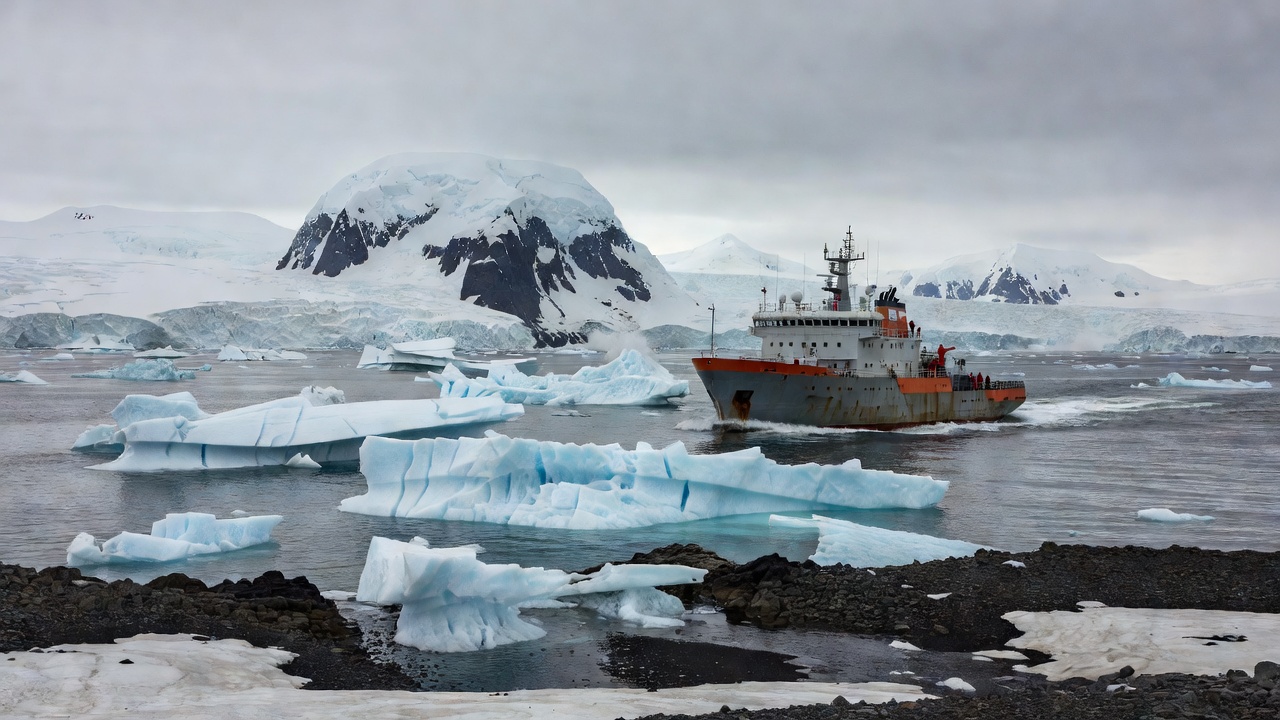
The melting of Antarctic ice is creating new opportunities for international shipping, as confirmed by data from multiple research expeditions. These changes are reshaping how maritime industries view polar regions, with potential benefits for efficiency but significant risks to the environment. Satellite observations and field studies indicate a steady decline in sea ice that could persist for decades.
Shifts in Navigable Waters
Analysis of ice core samples and remote sensing technology has shown that the extent of multi-year ice has declined substantially. This allows for routes that bypass traditional chokepoints like the Panama Canal, offering shorter paths for bulk carriers and tankers. Polar research centers are deploying autonomous drones to map these evolving waterways in real time, providing critical data for safe passage planning. The economic implications include reduced fuel consumption and lower emissions per voyage, though this must be balanced against the carbon footprint of expanded operations. Variability in ice conditions requires advanced forecasting models developed through international collaboration.
Innovation in Sustainable Practices
To address these issues, engineers are developing advanced hull technologies and propulsion systems tailored for polar conditions. Collaborative efforts between universities and industry partners focus on zero-emission vessels and improved spill response strategies. Monitoring programs track the impact on krill populations and other key species that form the base of the Antarctic food web. Policymakers are urged to strengthen the Antarctic Treaty System to regulate traffic and protect pristine areas from overexploitation. Overall, while new shipping lanes promise progress, they underscore the urgent need for continued investment in polar science to guide responsible development and minimize ecological disruption across the Southern Ocean.