Zoe Schwarz · 2 September 2026
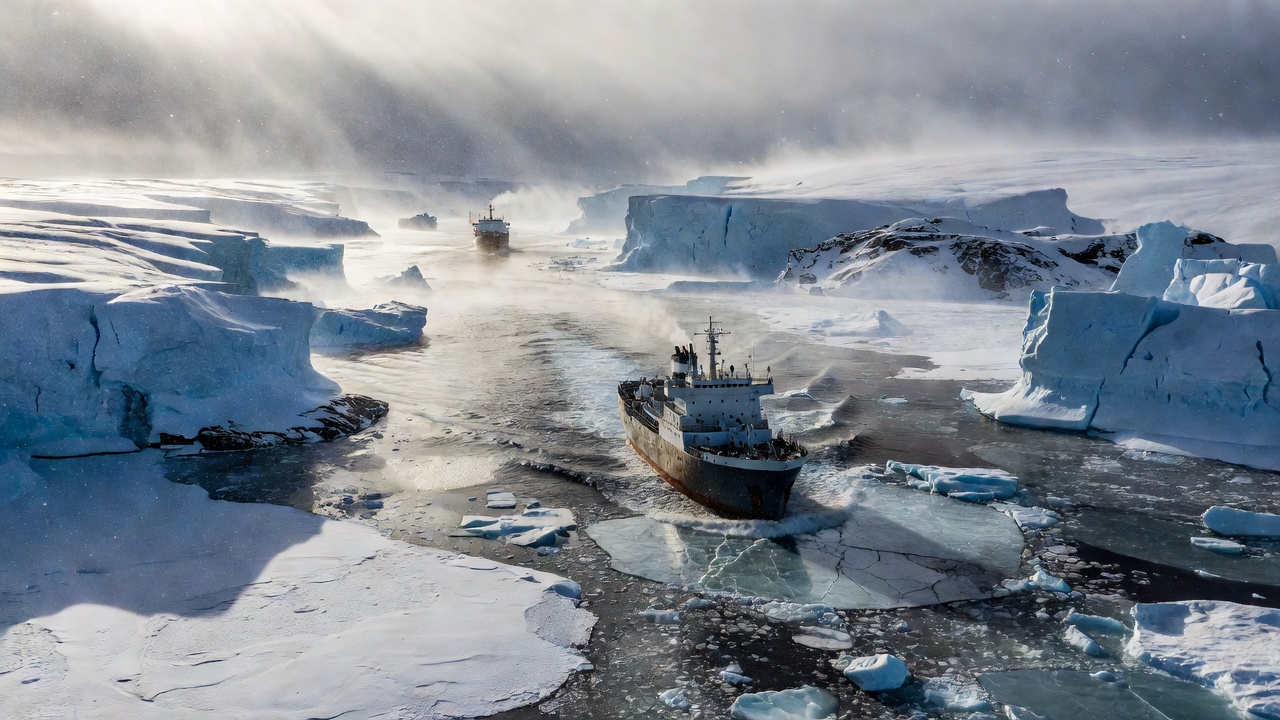
Recent satellite imagery and field studies have confirmed that the retreat of sea ice in Antarctica is creating navigable passages in areas previously considered impassable. These new shipping lanes could transform international trade routes by providing shorter paths for vessels traveling between the Atlantic and Pacific Oceans via the Southern Ocean. Researchers from various institutions have been tracking these changes closely, noting that the rate of ice loss has accelerated in recent years due to climate change factors. Buoy networks and aerial surveys reveal open water corridors forming along the western Antarctic Peninsula and parts of the Ross Sea during peak summer months.
Navigation Challenges and Opportunities
Despite the potential benefits, navigating these new lanes presents significant challenges. Icebergs and sudden weather shifts remain major hazards, requiring advanced ice-breaking technology and precise forecasting. Shipping companies are investing in research to develop safer vessels for polar waters. The economic advantages include reduced travel distances, which could lower costs and emissions for global logistics networks. International bodies are discussing frameworks for managing traffic in these emerging corridors to prevent accidents and ensure sustainable use. Additional data from buoys and drones indicate that certain sectors of the Antarctic coastline are opening up faster than anticipated, with some routes showing open water for extended periods during the summer months. This has prompted simulations and modeling exercises to predict future accessibility and vessel routing efficiency.
Scientific Monitoring and Future Projections
Polar research teams continue to monitor the environmental consequences of these developments. Increased maritime activity may introduce invasive species and pollutants into pristine habitats, affecting the delicate balance of Antarctic ecosystems. Studies focus on the impact on krill populations and dependent wildlife. Projections suggest that by 2040, several new lanes could be operational for part of the year, but this depends on continued ice melt trends and global emission reductions. Collaboration among scientists worldwide is essential to gather comprehensive data and inform policy decisions regarding polar navigation. Long-term observations will help clarify the interplay between melting ice and increased shipping impacts on ocean currents and biodiversity.